Fern Habitats & Woodland Ecology

Italy's Fern Ecosystems, Forest Trails & Temperate Plant Habitats

Detailed accounts of shaded forest understories, native fern species, and the ecological conditions that sustain them across Italy's mountain and lowland woodlands.

Recent Articles

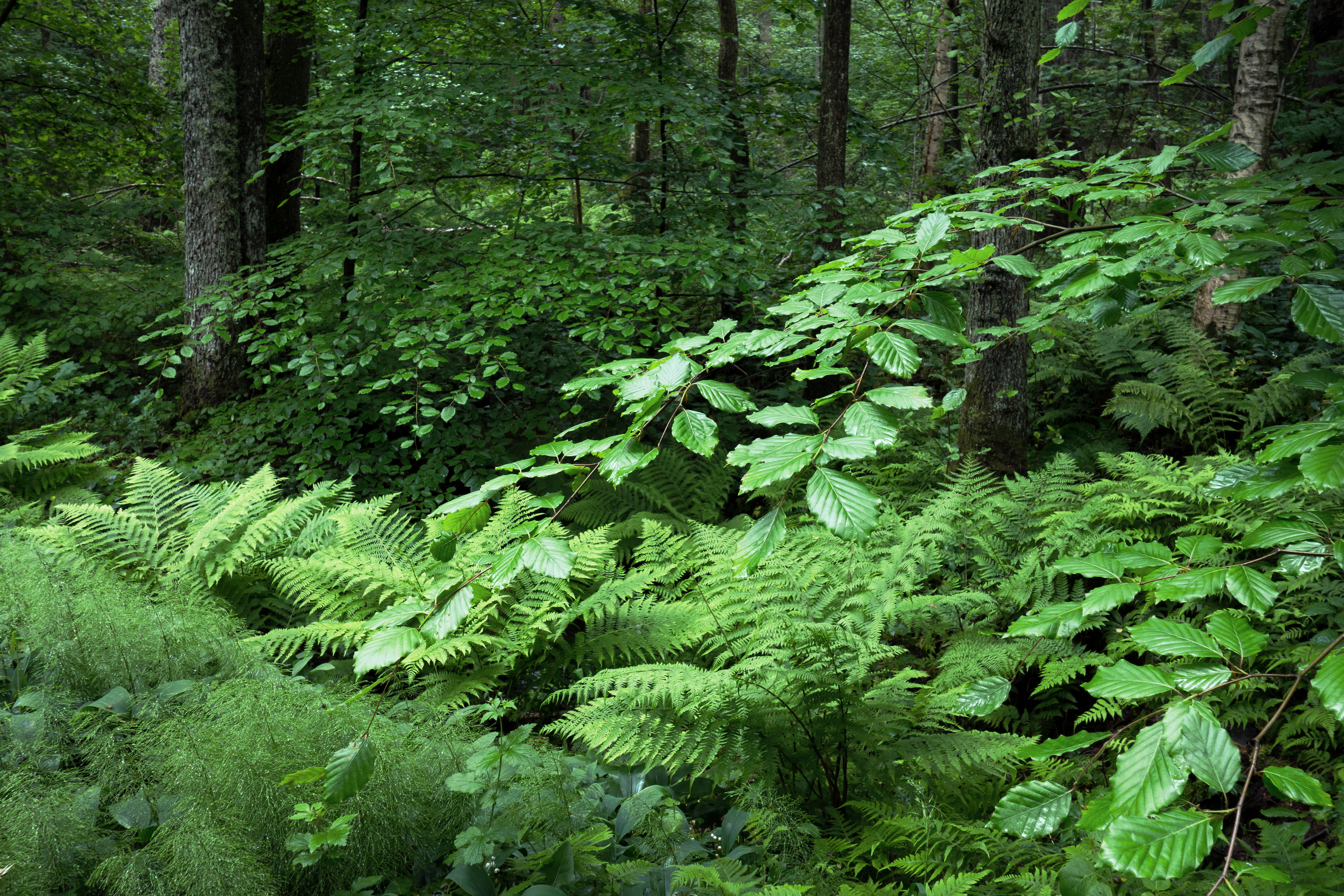
Lady fern fronds in a northern Italian deciduous forest

Species

Fern Species Native to the Deciduous Forests of Northern Italy

Updated 3 May 2026

An overview of the most common fern genera found beneath oak, chestnut, and beech canopies from the Po Plain foothills to the Alpine fringe — including growth habits, preferred substrates, and seasonal behaviour.

Read article →
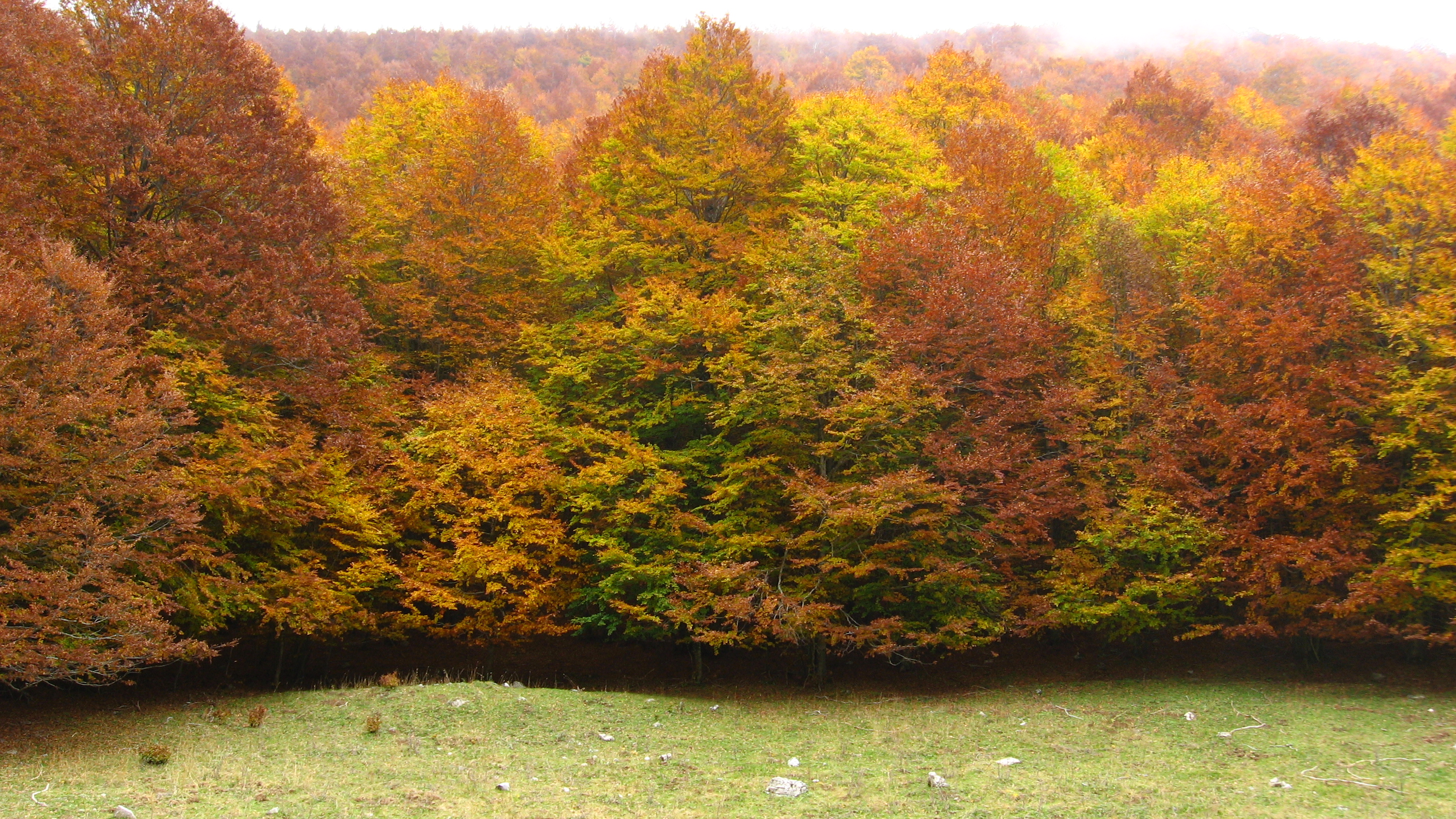
Beech forest in the Pollino massif, Calabrian Apennines

Ecology

Shaded Trail Ecology in the Forests of the Calabrian Apennines

Updated 3 May 2026

How trail corridors through Calabrian beech and silver fir forests create distinct micro-habitats, affecting soil moisture, light penetration, and the composition of ground-level plant communities along walking routes.

Read article →
Cross-section of forest canopy layers showing understory vegetation

Forest Structure

How Forest Canopy Density Shapes Ground-Level Plant Communities in Italy

Updated 3 May 2026

Canopy closure determines which ferns and herbaceous plants survive at ground level. This article examines light transmission models, seasonal gaps, and the relationship between overstory composition and understory biodiversity in Italian forests.

Read article →

Northern Italy's Fern-Rich Beech Forests

The understorey of Fagus sylvatica stands in the Pre-Alps and northern Apennines holds some of Italy's most species-rich fern communities. Where soils remain moist and canopy cover exceeds 70%, Dryopteris filix-mas, Athyrium filix-femina, and Polystichum setiferum frequently co-occur within a few square metres — a density unusual in Mediterranean climates and linked directly to the humidity gradient off the Adriatic coast.

Read the full article

Key Fern Habitats

Beech woodland with fern ground cover

Beech Woodland Understory

Dense fern carpets beneath closed-canopy beech stands, relying on spring light before leaf-out.

Blechnum spicant hard fern on a shaded bank

Shaded Streamside Banks

Permanently moist banks beside forest streams are among the most reliable habitats for hard fern and hart's tongue.

Apennine beech forest near Monte Antola

Ligurian Apennine Forest

Mixed deciduous stands at 600–1200 m elevation in the Ligurian Apennines, where beech transitions through chestnut into oak-dominated zones.

Why Canopy Density Matters to Ground-Level Plants

The single strongest predictor of fern presence in Italian forests is not soil type or elevation — it is the proportion of incoming photosynthetically active radiation reaching the forest floor. Studies in the northern Apennines have shown that once canopy closure drops below 55%, shade-dependent species like Athyrium filix-femina begin to lose competitive ground to more light-tolerant herbs. The transition happens across a gradient of just a few hundred metres on a south-facing slope.

Calabrian Forests and the Ecology of Forest Trails

The Sila plateau and Aspromonte range in Calabria contain Italy's most extensive silver fir and beech forests south of the Po Valley. Trail corridors through these stands are not simply clearings — they function as ecological edges where moisture gradients, wind exposure, and light availability differ measurably from the closed canopy interior within five metres of the path margin.

Read: Calabrian Trail Ecology

Get in Touch

For questions about the content on this site, corrections, or general correspondence, use the form below or email info@brackenhall.eu directly.

Explore the Full Archive

Start Reading

The content on this site is provided for informational purposes only. Brackenhall makes no warranties regarding the accuracy or completeness of ecological data presented. Always verify species identification with a qualified botanist before handling wild plants.